
Fitness Studio Marketing That Fills Classes at Every Studio
Fitness studio marketing for brands with many studios: local ads that sell the intro offer, cheap representative creative, fast follow-up, budget that follows open capacity, and joins per studio from the booking system.
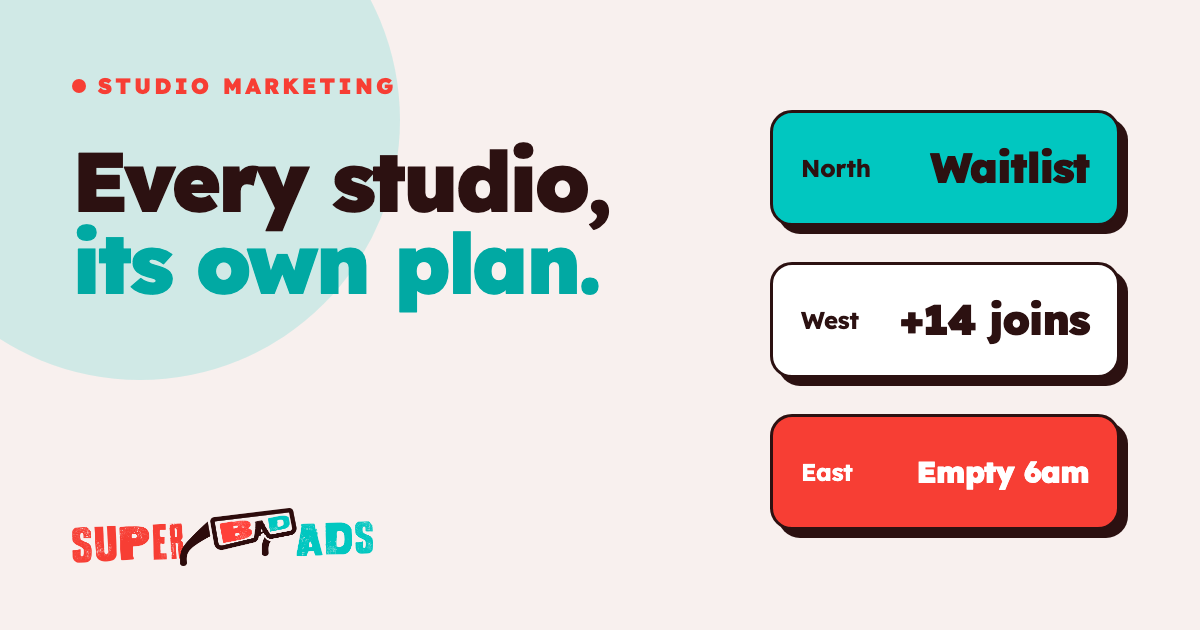
Fitness studio marketing for a brand with many studios works when it is planned studio by studio: local ads that sell the intro offer around each location, cheap representative creative, fast follow-up on every intro booking, and a budget that moves each week toward the studios with open classes. Success is measured in intro sales, joins and cost per member, taken from the booking system rather than from the ad platforms.
Most fitness studio marketing advice is written for a single studio, so it treats the brand as one schedule and one audience. A marketing lead with 8 or 40 studios faces a different problem: some studios have waitlists while others have empty classes, and the current reports cannot say which studios the ads actually helped. The plan below is built for that situation, and every section can be forwarded to the owner unedited.
What should a multi-studio fitness marketing plan include?
A multi-studio plan for boutique fitness marketing combines people who are already searching with local awareness around each studio. This means running local Meta ads around each studio to promote an intro offer, paired with targeted Google search campaigns. An accurate Google Business Profile for every studio captures people who search for a class nearby.
Testing fitness studio marketing ideas starts with the difference in intent between the two main channels. You must evaluate Google Ads vs Facebook ads based on how efficiently those leads convert into paying members. Meta generates local awareness, while Google captures users actively searching for a pilates studio marketing offer.
A boutique brand does not need expensive, polished video production to acquire members, because the studio is not competing with a national sportswear campaign. Cheap, representative creative tested as many small bets outperforms slick commercials because it sets accurate expectations.
Use real instructors teaching real classes, because instructor videos recorded on a smartphone perform exceptionally well for local Meta campaigns. Potential members want to see the exact person leading their upcoming session.
Fund these assets across studios and expand the versions that produce booked first-time clients, because authentic footage builds trust with prospects who want to know what the intro class involves.
Generating the lead represents only the first half of the acquisition equation. Fast follow-up on intro bookings by the front desk determines your true acquisition cost. If the front desk does not contact a prospect quickly, many of those leads are lost in follow-up.
For the right target audience, a successful multi-location marketing strategy bridges the gap between the initial click and the first studio visit. The goal is converting intro clients into members, not only selling intro offers. Your campaigns must align directly with the operational capacity of your staff.
Which other fitness studio marketing ideas support the plan?
Local paid media does most of the work, but several supporting fitness studio marketing ideas help each studio convert interest into members. Each one should be judged on the same scoreboard as the ads.
- Referral programs for current members: members who love a class spread the word to friends who already fit the studio. A standard reward for both sides, recorded in the booking system, turns that goodwill into a measurable source of intro sales for every studio.
- Free classes, community events and a fitness challenge: a free class, a seasonal fitness challenge, a partner workout with a local business or a community event introduces the studio to a potential customer who is not ready to buy an intro offer or a full gym membership yet. Collect the booking in the system so the follow-up and the eventual join can be credited to that studio.
- Video content on social media platforms: short video content of real instructors and real classes gives social proof before the first visit. A studio owner or marketing lead can post from a central brand account and feature every location, so each studio benefits from consistent creative with clear calls to action that lead to booking.
- Reviews and local SEO: reviews on each studio's listing are the social proof that new clients read first, and steady local SEO for multiple locations keeps every studio visible when people search for a class nearby. An occasional blog post that answers common questions supports the same goal.
These ideas apply across the fitness industry, from a pilates or yoga studio to a personal training brand, because the economics are the same: fill open classes, convert intro clients into members, and keep the members you have. Digital marketing for a studio brand works best when every one of these channels reports into the same per-studio numbers.
How should budget move between studios?
Managing a portfolio of eight to forty locations demands fluid budget allocation. A static monthly budget per location wastes money on studios that cannot absorb more members. Advertising dollars must follow open capacity, moving aggressively away from schedules that are already full.
You must establish a weekly review process to shift funds where they matter most. When a studio's classes are consistently full, reduce its acquisition budget. Reallocate those dollars to a studio struggling to fill its schedule.
Paying for leads at a studio with a waitlist also creates a poor experience for new clients. Prospects buy an intro offer only to find they cannot book a class. Shifting the budget prevents this friction and maximizes the return on your total portfolio spend.
Capacity also changes through the year, because seasonal demand can fill some class times without any advertising support, and the budget should adapt to those shifts.
New studios require a dedicated launch budget that operates independently of your mature locations. This initial capital buys local awareness and fills the pre-open schedule with discounted intro offers. Once the new location reaches baseline capacity, it joins the standard weekly budget review.
Moving budget toward open capacity makes all of your marketing efforts work harder across the brand, because spend goes to the studios that can turn new clients into members.
How do you measure fitness studio marketing per studio?
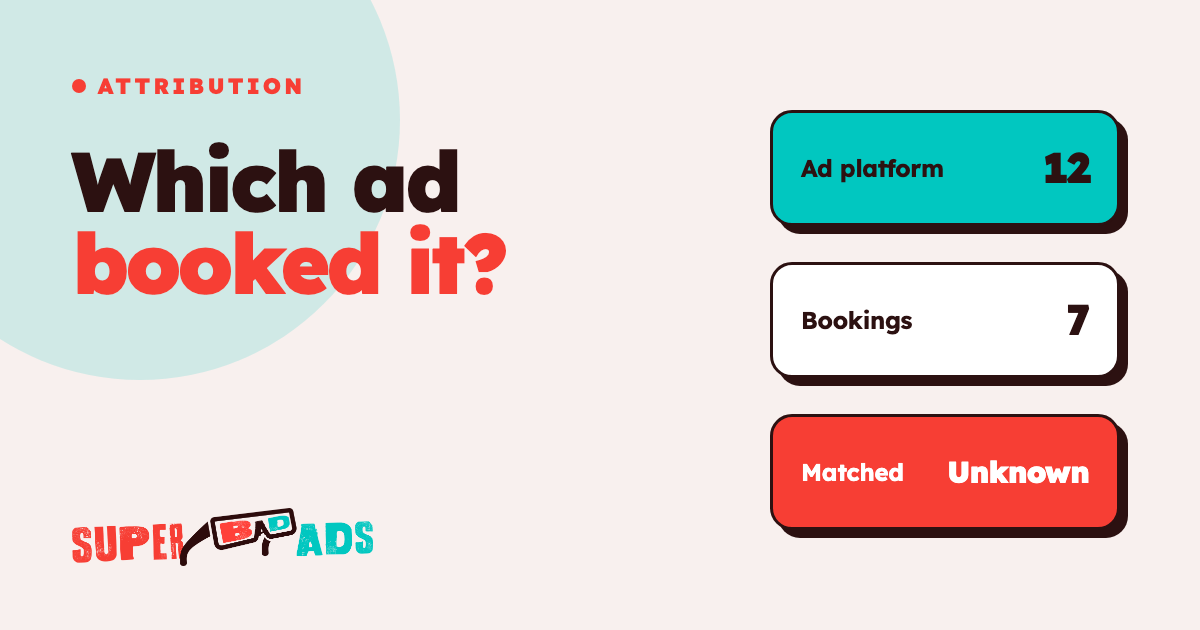
The most common complaint from operators is that ad platform numbers never match the internal software. Clicks and platform-reported return on ad spend are vanity numbers for a studio business. The only metrics that dictate success are intro sales, joins, and cost per member.
You must pull this data directly from Mariana Tek, Mindbody, or Club Automation. Your paid media must answer exclusively to the booking system. This standard reports results per location, per week, which is stricter than the platform numbers.
Proper marketing attribution sets the platform's self-reported credit aside and looks at the intro sales and joins the studio actually recorded. Evaluating fitness studio advertising requires connecting the initial ad click directly to the final membership contract signed at the front desk.
Ad platforms frequently claim credit for conversions they did not cause. A user might see a Meta ad, ignore it, and walk into the studio weeks later because a friend recommended it. The booking system filters out this noise and reveals the true acquisition source.
You must also provide incremental proof for the board and the owner. Do not rely solely on attributed revenue to justify your media spend. Show flat-spend comparisons and quarter-over-quarter progress by studio to prove that your fitness studio marketing strategies create new growth rather than claiming credit for members who would have joined anyway.
How do you launch marketing for a new studio?
Opening a new studio requires generating intense local demand before the doors ever open. The plan relies on a clear pre-open intro offer designed to secure a committed base of first visitors. You must run rapid creative tests during this phase to identify which messaging resonates.
The pre-sale marketing phase should begin well before the equipment arrives. Capturing emails and building a local waitlist creates a pool of warm prospects. You can then convert this list into founding members through targeted email campaigns and exclusive pricing.
The new studio should join the weekly scoreboard on its first day of operation. You cannot wait a month to see if the launch budget generates actual bookings. Accurate tracking ensures that every pre-sale lead ties properly to the correct local campaign.
If the existing accounts and tracking are unclear, a paid media and setup audit before the launch confirms that the brand owns every ad account and pixel and that the new studio's bookings will be tracked from the first day.
Proper setup gives the brand visibility across every studio. An 8-location California fitness operator went from 0 of 8 to 8 of 8 locations with per-location attribution, dropping cost per lead by 25% by month 3. Owning the data is what makes those per-studio decisions possible.
The Per-Studio Scoreboard
Marketing leaders need a defensible reporting format that tells the entire truth at a glance. The scoreboard below defines the metrics required to make capacity-based budget decisions, one row per studio, and it can be forwarded unedited to the owner or the board.
| Metric | What it tells you | Source | | :--- | :--- | :--- | | Weekly spend per studio | What each studio's local campaigns cost | Ad platforms | | Intro offers sold | Top-of-funnel interest each studio converted | Booking system | | Show rate | Whether intro clients attended their first class | Booking system | | Joins | New memberships sold at each studio | Booking system | | Cost per member | What a new member costs at each studio | Spend divided by joins |
The weekly spend column pulls directly from the advertising platforms. The remaining columns pull exclusively from your operational software. This separation of data sources prevents ad networks from grading their own homework.
When the data is laid out clearly, shifting the budget becomes a straightforward weekly decision rather than a debate.
Frequently Asked Questions
Should we run global brand campaigns or strictly local ads? You should dedicate the vast majority of your budget to local ads built around specific studios. Brand awareness campaigns rarely convert directly to intro bookings. Localized ads targeting a tight radius around each facility drive actionable foot traffic and measurable joins.
How long should we test new creative before killing it? Give each new creative or marketing campaign enough spend and time to produce a reliable read on booked intro classes before pausing it, and set that threshold in advance for every studio. Fund the cheap, representative creative that consistently delivers booked intro classes.
Do we need an internal team to manage this infrastructure? Building the tracking logic, managing budget shifts, and interpreting booking system data requires specialized expertise. Brands often utilize multi-location marketing agency services to execute this playbook. This allows your internal team to focus on brand identity and front desk follow-up.
What is the biggest mistake fitness brands make with marketing budgets? The most common error involves funding locations equally regardless of their schedule capacity. Spending money to advertise a studio with a waitlist wastes capital. Always allocate your budget dynamically based on which studios need the traffic most.
Where to start
Super Bad Ads is the paid media and measurement partner for fitness brands with several locations: gym groups, boutique fitness and pilates studios. We run Meta and Google for every studio, count intro sales and joins from your booking system instead of the platform numbers, and report results per studio every week. See how our paid media agency work is set up for multi-location operators, and how we work with gyms and fitness studios.
Executing a multi-location fitness studio marketing plan requires discipline and absolute financial transparency. You must allocate your budget based on local capacity, shifting dollars rapidly to fill empty spots. Every campaign must answer directly to Mariana Tek, Mindbody, or Club Automation.
You measure success strictly by joins and cost per member. Before you launch another campaign, check whether your intro-offer sales per studio per week are visible in your booking system today. If you cannot see those numbers clearly, you must fix your tracking infrastructure first. For help fixing the reporting and building a capacity-driven plan, Get Started.
Find out what your ad spend actually books.
We instrument the whole funnel — lead to booked to showed to revenue — and buy media against the number that matters. No calendar invites, no sales-call bait. Just the build.
Get Started →