
Choosing a Marketing Agency for a Multi-Location Business
How to choose a marketing agency when you run multiple locations: pick the one whose results you can check against your own booking system, per location, with every account in your name. A forwardable scorecard, the five pitch questions, and how to switch safely.

If you're deciding how to choose a marketing agency for a business with several locations, start with one rule: choose the agency whose results you can check yourself. That means new clients reported per location, every week, from your own booking system, with every ad account and pixel in your company's name.
Most agency pitches sound the same because they're built for single-site businesses. They promise more leads, show a blended return, and present a polished deck. None of that tells an owner with 8 or 40 locations which locations are working, whether the leads became booked clients, or what happens to the data if the relationship ends. The scorecard below answers those questions before you sign.
What should a multi-location operator look for in a marketing agency?
What to look for in a marketing agency changes once you run more than a handful of locations, because a blended report can hide a failing market behind three strong ones. Whether you're working out how to choose a digital marketing agency for the first time or replacing an incumbent, judge every candidate on five criteria before you start any long term agency relationship.
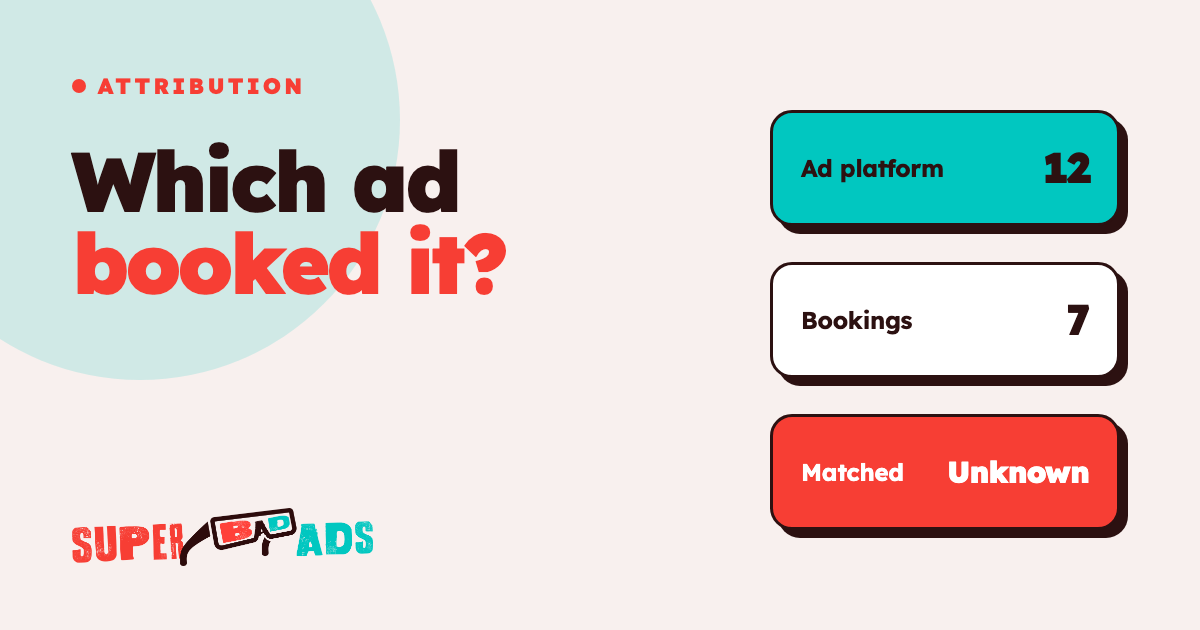
- Reporting from your booking system: the conversion event is a booked appointment or a membership join, not a click or a form fill. Ad platforms report the conversions they believe they caused, so a good agency reports results that are stricter than the platform numbers and reconciles them with Zenoti, Booker, Mariana Tek, Mindbody or whatever system your front desk uses.
- A per-location view: you need new clients per location per week and cost per new client by location, so budget can move toward the locations with open capacity and away from the ones with a waitlist.
- Account ownership: your company should own every ad account, pixel, and piece of creative. The agency works inside your accounts with manager access; it never builds your campaigns inside its own accounts.
- Experience with appointment and membership businesses: an intro offer, a front desk, and a membership conversion behave differently from an online checkout. The agency should already know that leads often die in follow-up and should report the booked percentage alongside the lead count.
- A senior person on the account: a multi-location footprint needs someone who can explain the numbers to an owner or CFO and connect them to your business goals, not only a junior media buyer.
Many agencies offer a long menu of marketing services, from email marketing to brand awareness campaigns. For a multi-location operator, judge every one of those marketing efforts by the same per-location test, because a good fit is an agency whose marketing campaigns reach your target audience in the markets that need new clients. These criteria are the foundation of sound multi-location marketing, and any agency worth hiring should be comfortable being measured against them.
How do you check an agency's results before you hire them?
When choosing a digital marketing agency, ask for evidence you can verify rather than a summary slide. Three requests separate an operator-grade agency from a generalist.
First, ask for per-location case studies reported in percentages or multiples. Total leads mean little if those leads never became members. For example, a 30+ location grooming brand we work with grew new customers by 36.6% and reduced cost per new client by 34.3% against its static-only baseline.
Second, request a sample weekly report from the agency. If it leads with clicks, impressions, or a platform-reported return, the agency is measuring its own activity rather than your business. The report should show new clients per location, cost per new client, and booked percentage, and those figures should match what your booking system records.
Third, speak with a reference whose location count is similar to yours. Ask how the agency handled a location that was underperforming, how long onboarding actually took, and whether the agency behaved like a marketing partner or like a vendor.
What questions should you ask in the pitch?
Knowing how to hire a marketing agency mostly comes down to asking questions that a rehearsed pitch can't answer smoothly. For the warning signs that separate legitimate firms from the rest, see our guide to the red flags that separate real agencies from the rest. Then ask these five:
- Who will run our account day to day? The people in the pitch are often not the people who manage your campaigns, so ask to meet the account lead.
- How will you connect your reporting to our booking system? If the answer relies only on the Meta and Google dashboards, the reporting will overstate results.
- Who keeps the accounts, data, and creative if we part ways? The only acceptable answer is that you do, with full history.
- How will you prove the results are incremental? The people who approve your budget will want flat-spend comparisons and quarter-over-quarter progress, not attributed return alone.
- Can you show us results for each location on a weekly basis? Ask to see a live example with the client details removed.
How should the contract and fees work?
Fee structure shapes behavior and the marketing strategies an agency recommends, so it deserves as much attention as the pitch itself. Most agencies charge either a flat monthly fee or a percentage of media spend.
A percentage of spend pays the agency more when your budget grows, whether or not your cost per new client improves. A flat fee removes that conflict and keeps the agency focused on efficiency, which is why we charge a flat fee as a paid media agency for multi-location operators.
Read the term and exit language carefully as well. A minimum term is reasonable, because paid media needs a few months of testing before results stabilize, but you should know exactly what the term is, what notice is required to leave, and what the agency hands back when you do.
Finally, write ownership into the contract. It should state that your company owns the ad accounts, the tracking pixels, and the creative, and that the agency's access ends when the contract does.
How do you switch agencies without losing what works?
The fear of a transition keeps many operators with an agency they no longer trust. Learning how to choose the right marketing agency is only half of the decision; the other half is switching without a drop in bookings. A safe switch follows four steps.
- Start with an audit: a paid media and setup audit maps the current accounts, campaigns, tracking, and ownership before anything changes.
- Run an overlap period: let the new agency build alongside the incumbent for a period, so your locations never go dark.
- Export the account history: save search terms, negative keyword lists, audiences, and performance history before you send notice.
- Keep the existing pixels: reliable marketing attribution depends on unbroken history, so you remove the old agency's access rather than rebuilding tracking from scratch.
Done this way, a switch can improve reporting quickly. An 8-location California fitness operator we work with went from per-location attribution at 0 of 8 locations to 8 of 8, and cut cost per lead by 25% by month three.
The agency scorecard
This section is written to be forwarded to an owner, partner, or CFO. Use it to compare your current agency with every finalist, because how to choose a marketing agency should be a documented decision rather than a judgment about the best presentation.
| Criterion | What good looks like | How to verify | | :--- | :--- | :--- | | Reporting source | New clients come from the booking system, not the ad platforms. | Request a sample weekly report. | | Location view | Results are reported for each location every week. | Request a live example during the pitch. | | Account ownership | Your company owns accounts, pixels, and creative. | Read the ownership clause in the contract. | | Fee alignment | The agency charges a flat fee that doesn't rise with spend. | Compare the fee model in each proposal. | | Transition plan | The plan starts with an audit, runs an overlap, and exports history. | Ask for a written onboarding plan. | | Relevant experience | The agency serves appointment and membership operators of your size. | Call a reference with a similar location count. | | Incremental proof | The agency shows flat-spend and quarter-over-quarter comparisons. | Ask how they reported it for a current client. |
FAQ
What matters most in how to choose a marketing agency? Whether you can verify the agency's results yourself. Reporting should come from your booking system, broken out per location and per week, with every ad account in your company's name. An agency that meets those three conditions can be held accountable; one that doesn't will always be graded on its own numbers.
How long should onboarding with a new agency take? It depends on the state of your accounts and tracking, which is why the audit comes first. A careful agency will connect the booking system, confirm account access, and check tracking before launching new campaigns, because a rushed launch can break reporting and waste media spend.
Should a marketing agency use our ad accounts or its own? Yours. Your company should own every ad account and pixel, and the agency should work through manager access. When the relationship ends, you remove that access and keep the complete history, which protects your data and makes any future transition far simpler.
What makes a good weekly marketing report? A good report reflects what your front desk sees. It shows new clients per location, cost per new client, booked percentage, and joins, and it explains what changed and why. It should be stricter than the platform numbers and simple enough to forward to the board.
Where to start
Super Bad Ads is a paid media agency for multi-location, appointment-based operators: gyms and studios, salons and barbershops, med spas and dental groups. We audit first, charge a flat fee, and report new clients per location from your booking system, so you can hold us to this same scorecard. See how we work with multi-location brands and who we serve.
Run your current agency, or each agency on your shortlist, through the scorecard above. If the answers can't be checked against your own booking system, location by location, close that gap before you change anything else, because that's where we start with every operator. That is how to choose a marketing agency you can hold accountable. Get Started.
Find out what your ad spend actually books.
We instrument the whole funnel — lead to booked to showed to revenue — and buy media against the number that matters. No calendar invites, no sales-call bait. Just the build.
Get Started →