
New Location Marketing: A 90-Day Opening Plan
How to market a new location opening when you already run several: set up the booking system and scoreboard first, build local demand before the doors open, run local ads with representative creative, protect follow-up at a new front desk, and prove the ramp per location per week.
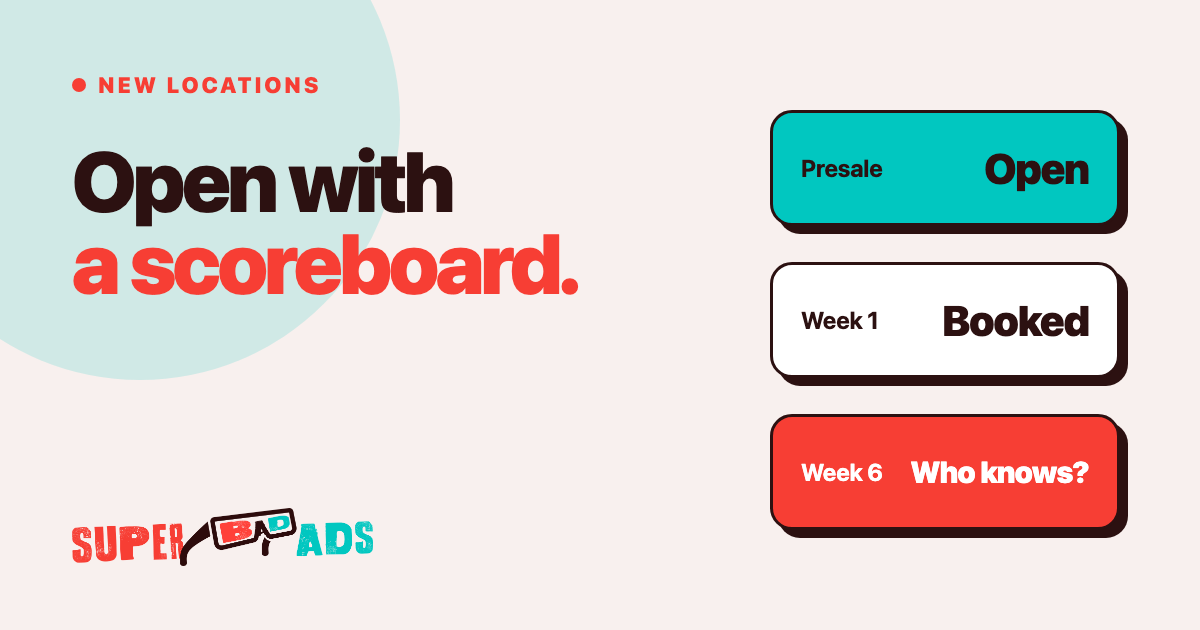
How to market a new location opening, in short: start when the lease is signed, not when the sign goes up. Set up the new location in your booking system and on your scoreboard first, build local demand before the doors open with Google Business Profile, a location page and a presale offer, then run local paid media and fast front-desk follow-up through the first 90 days. Judge the opening by one number, new clients per location per week, taken from your booking system rather than from the ad platforms.
This plan is written for the marketing lead at a brand that already runs several locations and now has to open one more with a team of one to three people. Most guides to grand opening marketing are written for small business owners with one store, and they focus on foot traffic, local news coverage and local influencers. For a brand with many locations, the harder questions are what to do in which order, how to keep the existing locations nearby from losing customers to the new one, and how to show the CEO and the board that the new location is ramping on schedule. The sections below answer those questions by phase: before the doors open, the opening weeks, and the first 90 days.
What should you do before the doors open?
The first job is measurement, not media. Set up the new location in your booking or membership system, whether that is Zenoti, Booker, Mariana Tek, Mindbody or Club Automation, with its schedule, services and online booking rules in place before any ad runs. If the system cannot report bookings and joins for the new location from day one, no one will be able to tell the board whether the launch spend worked.
Next, add the location to your scoreboard: new clients per location per week, cost per new client, and the booked percentage of leads. Record the ramp you expect, week by week, so the opening has a plan to beat rather than a feeling to defend.
Then build the local presence that search engines and buyers check first:
- Google Business Profile: create and verify the listing early, with the correct address, contact information, hours, category, photos of the real space and a booking link. Local SEO for the new address starts here. Our guide to Google Business Profile covers the setup in detail.
- A location page: give the new location its own page on your site, with its own URL, map, hours, the product or service each visit includes, and a clear path to book.
- A presale or intro offer: design one offer, such as founding-member access or an intro session, that a newly hired front desk can explain and run without exceptions.
Finally, plan how you will tell customers of nearby locations. An opening can move customers from an existing location instead of adding new ones, so present the new location as added convenience and keep the strongest offers for people who are new to the brand.
Which channels matter most for a new location?
For an appointment- or membership-based business, the channels that matter most in new location marketing are the ones that reach potential customers who live or work near the new address and are ready to book. Brand awareness matters less than bookings in the local market around the new site, so the digital marketing plan should favor channels that can be measured per location.
- Local search and Google Business Profile: people searching for a gym, salon or studio nearby are the highest-intent audience you can reach, and the listing often answers them before your website does.
- Meta ads in a radius around the new site: set a tight radius that matches how far customers will realistically travel, define the target audience as the local audience around that address, and give the new location its own marketing campaigns and budget instead of splitting an existing location's campaign.
- Cheap, representative creative: you are not Nike, and the opening does not need a brand shoot. Short videos of the real team and the real space, tested as many small bets, usually outperform one high quality commercial. A 30+ location grooming brand that moved to this approach saw +36.6% new customers and a 21x return on creative production.
- Email and text to nearby customers: a short note to existing customers who live close to the new site costs little and reaches people who already trust the brand.
Partnerships with other local businesses and events in the local community can help, but they are optional. Grand opening marketing works best when the core channels are running well first, because they are the channels you can measure per location.
What should the opening weeks look like?
The opening weeks are where most of the launch budget is won or lost, and the risk is rarely the ads. Leads die in follow-up, and a new front desk is the place where that happens most often. When someone claims an intro offer online, the location has to respond quickly and book them, or the money spent to find that person is wasted.
Three habits protect the launch:
- Response standard: agree on how quickly every lead gets a call or message, and make one person at the location accountable for it.
- Booked percentage: track how many leads become booked visits each week, so you can separate an ad problem from a follow-up problem.
- Daily lead check: have the location manager review open leads every day during the first weeks, with clear scripts and reminders for the front desk.
If the ads produce leads and the front desk does not book them, the fix belongs in operations, not in the ad account. When you understand how to promote a new business location this way, the marketing and the front desk report to the same scoreboard.
How do you know the new location is ramping?
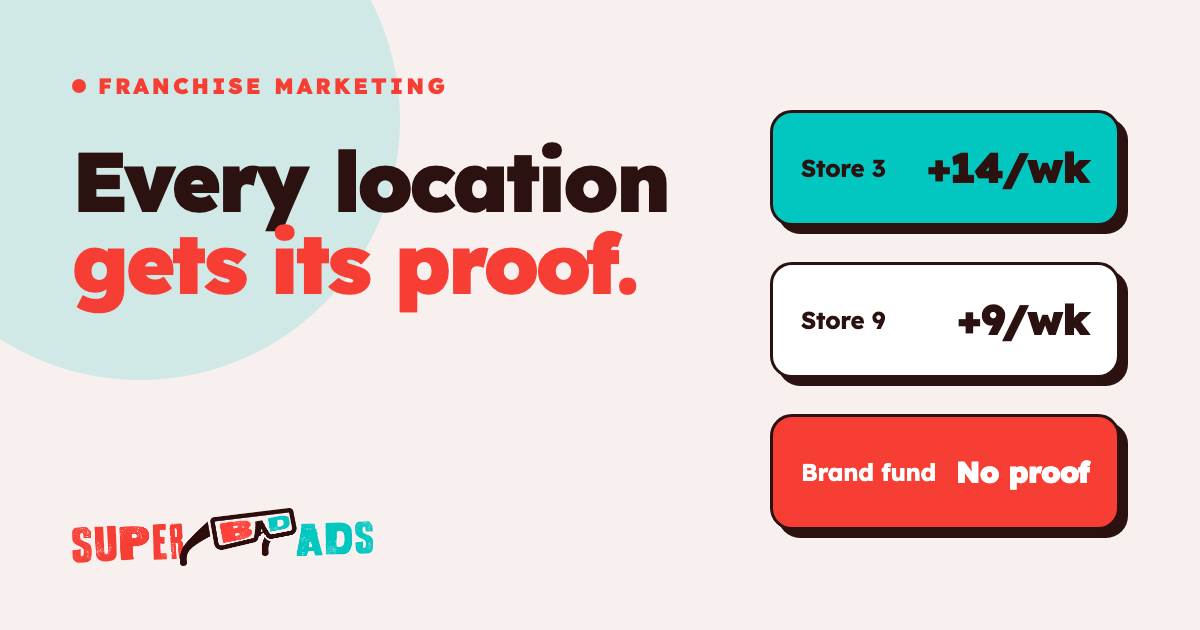
The CEO and the board approved the lease, so they will want evidence that the new location is on track. Give them the same scoreboard every week: new clients per location per week against the plan you wrote before opening, and cost per new client from your booking system. That reporting should be stricter than the platform numbers, because ad platforms tend to claim credit for bookings that would have happened anyway.
Compare the ramp with how your earlier openings performed, week by week, so the board can see where this location stands on a familiar timeline. Then check the locations nearby. If their new clients held steady while the new location grew, the growth is incremental. If they dropped, part of the opening was a transfer of existing customers, and the plan should change.
This is the reporting a good franchise marketing agency or in-house team should give you for every location, not only the new one. An 8-location California fitness operator we work with went from 0 of 8 to 8 of 8 locations with per-location attribution, which is what makes a new location's ramp visible at all. For the wider picture of running many locations, see our guide to multi-location marketing, and for franchise systems, our franchise marketing strategy guide.
Where to start
Super Bad Ads is the paid media partner for multi-location, appointment-based brands that open new locations every year. We run Meta and Google around every location, test many low-cost creative ideas instead of one expensive shoot, and report new clients per location every week from your booking system. See how our paid media agency work runs for brands with many locations.
Before you spend on the launch, confirm three things: the new location reports bookings in your system, the scoreboard has a written ramp to beat, and the front desk has a response standard. Our multi-location marketing agency services start with exactly that setup.
FAQ
How far in advance should you plan how to market a new location opening? Planning should begin on the day the lease is signed. That timing leaves room to set up the booking system and scoreboard, verify the Google Business Profile, publish the location page and open a presale offer, so the new location has booked appointments on its first day instead of starting from zero.
How do you avoid taking customers from nearby locations? Target the new location's ads at a tight radius, keep the strongest offers for people new to the brand, and watch new clients per week at the nearby locations during the launch. If those numbers hold steady, the new location is adding customers rather than moving them.
What is the most important metric for a new location launch? New clients per location per week, taken from your booking system. Clicks and impressions describe activity, not results. Pair it with cost per new client and the booked percentage of leads to see whether the ads, the offer or the front desk needs attention.
Why is front-desk follow-up critical during an opening? A new front desk is still learning the systems, and leads that wait too long book somewhere else. A clear response standard, one accountable person and a daily lead check during the first weeks protect the money spent to generate those leads.
Opening a new location goes best when the measurement is ready before the media, the creative is real rather than expensive, and the front desk is held to the same scoreboard as the ads. When your team needs support to run that plan and report every location, every week, Get Started.
Find out what your ad spend actually books.
We instrument the whole funnel — lead to booked to showed to revenue — and buy media against the number that matters. No calendar invites, no sales-call bait. Just the build.
Get Started →